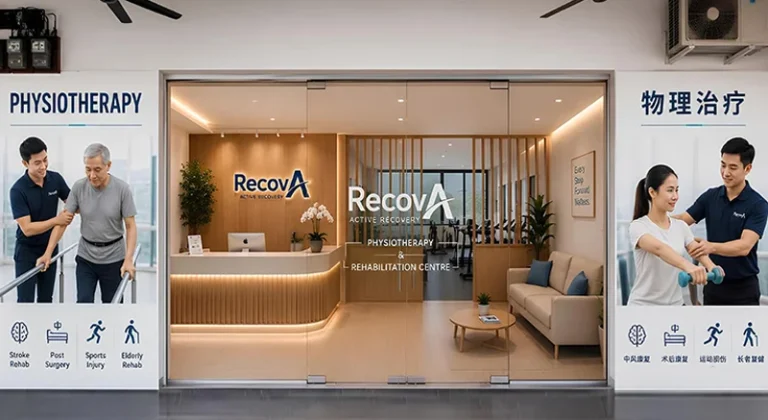
 019-713 9800

Recovery After Hospital Discharge in Johor Bahru: Your Complete Guide to Rehabilitation, Physiotherapy & Recovery
Recovering from a serious illness, stroke or surgery does not end when you leave the hospital. For many individuals and families in Johor Bahru, hospital discharge is the beginning of the most important stage of recovery.
Whether your loved one has been discharged from Hospital Sultanah Aminah (HSA), KPJ Johor Specialist Hospital, Gleneagles Hospital Medini, Regency Specialist Hospital, Columbia Asia Hospital Iskandar Puteri, or another hospital in Johor Bahru, the same question often follows:
“What should we do next?”
Many patients are medically stable enough to leave hospital but are not yet physically ready to return to their normal daily lives. They may still have difficulty walking, climbing stairs, getting out of bed, bathing independently or performing simple everyday activities.
Understanding the recovery options available in Johor Bahru can help families make informed decisions and support better long-term recovery.
What Does Hospital Discharge Really Mean?
One of the biggest misunderstandings is believing that hospital discharge means full recovery.
In reality, hospital discharge simply means the patient no longer requires acute medical treatment or continuous hospital monitoring.
It does not necessarily mean the person has regained:
- Muscle strength
- Walking ability
- Good balance
- Independence
- Endurance
- Confidence
- Ability to perform daily activities safely
For many patients, recovery continues for weeks or months after leaving hospital.
This is especially common following:
- Stroke
- Hip replacement surgery
- Knee replacement surgery
- Fractures
- Falls
- Spinal surgery
- Pneumonia
- Serious infections
- Heart conditions
- Prolonged hospitalisation
The focus now shifts from surviving the illness to recovering function and independence.
Understanding the Hospital-to-Home Gap
At RecovA, we describe this period as the Hospital-to-Home Gap.
This is the period between leaving hospital and safely returning to independent living.
It is often the stage where patients need the most guidance, yet many families are unsure where to turn.
During this phase, patients may require:
- Rehabilitation
- Physiotherapy
- Nursing care
- Mobility training
- Balance training
- Assistance with daily activities
- Family education
- Recovery planning
Without appropriate support, recovery may slow, falls may occur and hospital readmissions may become more likely.
Bridging the Hospital-to-Home Gap is an important step towards successful recovery.
Why Older Adults Become Weaker After Hospitalisation
It is common for older adults to become noticeably weaker after spending several days or weeks in hospital.
This is known as hospital-associated deconditioning, where reduced physical activity can lead to loss of muscle strength, endurance and mobility.
Many families notice that their loved one could walk before hospitalisation but now struggles to stand or walk independently.
This decline does not necessarily mean recovery is impossible.
With appropriate rehabilitation, physiotherapy and consistent activity, many individuals can work towards regaining strength and improving their independence over time.
Common Challenges After Hospital Discharge
Every recovery journey is unique, but families in Johor Bahru often encounter similar challenges after hospital discharge.
» Difficulty Walking
Walking may be slower, less stable or require assistance.
» Poor Balance
Balance problems increase the risk of falls, particularly among older adults.
» Muscle Weakness
Even a short hospital stay can result in noticeable muscle weakness. Rehabilitation and regular activity may help patients gradually rebuild strength.
» Fatigue
Many patients tire easily during the first few weeks after discharge. Activities that were previously easy may require more effort and rest periods.
» Fear of Falling
A loss of confidence often causes individuals to avoid walking or exercising, which may further delay recovery.
» Increased Dependence
Simple tasks such as dressing, bathing or using the toilet may temporarily require assistance.
Recovery Options in Johor Bahru
Families in Johor Bahru have several options depending on the individual’s condition, mobility and rehabilitation needs.
✅ Recovering at Home
Home recovery may be suitable for individuals who remain relatively independent and have family members available to provide support.
However, recovery at home can become challenging if the individual requires frequent rehabilitation or assistance with daily activities.
✅ Outpatient Physiotherapy in Johor Bahru
Many patients continue their recovery through outpatient physiotherapy while living at home.
Physiotherapy may help improve:
- Walking ability
- Balance
- Muscle strength
- Joint mobility
- Functional independence
- Confidence during movement
✅ Residential Rehabilitation in Johor Bahru
Some individuals require more structured rehabilitation than can realistically be provided at home.
Residential rehabilitation in Johor Bahru combines accommodation with rehabilitation and support services, allowing patients to focus on recovery in a supportive environment.
Residential rehabilitation may be suitable for patients recovering from:
- Stroke
- Orthopaedic surgery
- Hip replacement
- Knee replacement
- Falls
- General weakness
- Prolonged hospitalisation
✅ Recovery Centres in Johor Bahru
Recovery centres provide an integrated approach to post-hospital recovery by combining rehabilitation, physiotherapy and, where required, nursing care.
The objective is to help individuals regain strength, mobility and confidence before returning home.


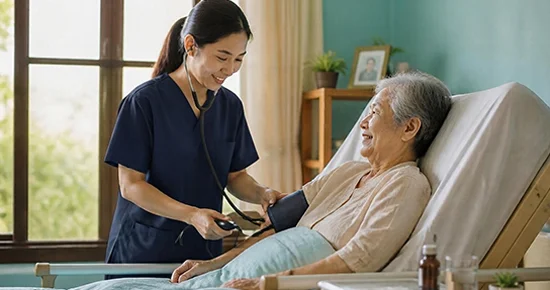
Nursing Care After Hospital Discharge
Some patients require ongoing nursing support after leaving hospital.
Professional nursing care may include:
- Medication management
- Wound care
- Feeding tube management
- Catheter care
- Monitoring medical conditions
- Assistance with personal care
The appropriate level of nursing support depends on the individual’s medical condition and recovery goals.
Questions to Ask Before Going Home
Before your loved one leaves hospital, consider asking the healthcare team:
- Is it safe for my family member to return home?
- Will rehabilitation continue after discharge?
- Is physiotherapy recommended?
- Are walking aids required?
- Are there any movement restrictions?
- Does the home need modifications?
- What warning signs should we watch for?
- When should the next review take place?
Having a clear recovery plan helps families prepare with greater confidence and ensures that appropriate support can be arranged before the patient returns home.
How to Choose a Recovery Centre in Johor Bahru
Not every recovery programme is the same. When comparing recovery centres in Johor Bahru, families should consider whether the programme matches the individual’s condition and recovery goals.
What Should You Look For?
- Is rehabilitation personalised?
- Is physiotherapy available on-site?
- Is professional nursing care available if required?
- How often is progress reviewed?
- Are recovery goals clearly defined?
- Is mobility and independence monitored?
- Does the programme prepare patients to return home?
Choosing the right recovery environment can help patients work towards better mobility, confidence and independence during the transition from hospital to home.
Post-Hospital Recovery Support at RecovA
The period after hospital discharge can be overwhelming for both patients and their families. Recovery often requires more than simply returning home and waiting for strength to come back.
At RecovA, our focus is on helping individuals bridge the gap between hospital discharge and returning to a more independent daily life.
Depending on the patient’s needs, a structured recovery programme may combine rehabilitation, physiotherapy, mobility support, daily activities and professional care in a supportive environment.
If your loved one has recently been discharged from a hospital in Johor Bahru and you are unsure about the next step, understanding the available recovery options can be a good place to start.
Need Help Planning the Next Step?
Speak with RecovA to discuss your loved one’s recovery needs and find out whether a structured post-hospital recovery programme may be suitable.